Buy divissimo.eu ?
We are moving the project
divissimo.eu .
Are you interested in purchasing the domain
divissimo.eu ?
domain@kv-gmbh.de · 0541-91531010
Buy divissimo.eu ?
What is a circuit breaker with screw fuse?
A circuit breaker with screw fuse is a type of electrical protection device that combines the features of a circuit breaker and a fuse. It typically consists of a circuit breaker mechanism and a screw-in fuse. The circuit breaker portion provides overload and short-circuit protection, while the screw fuse portion provides overcurrent protection. This type of device is commonly used in older electrical systems and provides a combination of protection features for the circuit. **
How can a circuit be implemented without a fuse?
A circuit can be implemented without a fuse by using other forms of overcurrent protection, such as circuit breakers or current-limiting resistors. Circuit breakers can automatically interrupt the flow of current when it exceeds a certain threshold, protecting the circuit from damage. Current-limiting resistors can be used to limit the amount of current flowing through the circuit, preventing it from reaching dangerous levels. While fuses are a common and effective form of overcurrent protection, there are alternative methods that can be used in their absence. **
Similar search terms for Add-A-Circuit-Fuse
Top-Angebote
Products related to Add-A-Circuit-Fuse:




-
How can a circuit be realized without a fuse?
A circuit can be realized without a fuse by using other forms of overcurrent protection such as circuit breakers or thermal protectors. Circuit breakers are designed to automatically interrupt the flow of electricity when an overcurrent is detected, similar to how a fuse works. Thermal protectors are devices that monitor the temperature of the circuit and can shut off power if it exceeds a certain threshold. While fuses are a common and effective form of overcurrent protection, there are alternative methods available to ensure the safety of a circuit. **
-
Why is a circuit breaker in this fuse box?
A circuit breaker is installed in a fuse box to protect the electrical system from overloads and short circuits. When too much current flows through a circuit, the circuit breaker will trip and disconnect the power, preventing damage to the wiring and appliances. This helps to ensure the safety of the electrical system and the people using it. Additionally, circuit breakers can be reset after they trip, unlike fuses which need to be replaced, making them more convenient and cost-effective. **
-
Does a fuse protect against overload and short circuit, or only against short circuit?
A fuse protects against both overload and short circuit. When the current passing through a circuit exceeds the rated value of the fuse, it will blow and interrupt the circuit, protecting against overload. Additionally, if a short circuit occurs, the fuse will also blow to prevent damage to the circuit and potential fire hazards. **
-
Has the fuse in the circuit breaker box blown?
To determine if the fuse in the circuit breaker box has blown, you can visually inspect the fuse to see if the metal strip inside is broken or discolored. If the fuse appears to be intact, you can also use a multimeter to test for continuity. If the fuse is blown, it will need to be replaced with a new one of the same amperage rating to restore power to the circuit. **
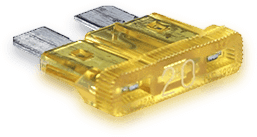

Is the fuse in the circuit breaker box broken?
To determine if the fuse in the circuit breaker box is broken, you should visually inspect the fuse. If the fuse appears to be discolored, melted, or has a broken filament inside, then it is likely broken. Additionally, if the circuit that the fuse controls is not working, it could indicate a broken fuse. It is important to replace a broken fuse promptly to ensure the safety and functionality of the electrical system. **
Is the fuse also blown if the device causes a short circuit?
Yes, if a device causes a short circuit, it can blow the fuse. A short circuit occurs when an unintended connection is made between two points in an electrical circuit, causing an excessive flow of current. This can lead to the fuse blowing as it is designed to break the circuit and prevent damage to the device or electrical system. Therefore, in the event of a short circuit, it is likely that the fuse will be blown to protect the circuit from further damage. **
Top-Angebote
Products related to Add-A-Circuit-Fuse:
-
What is a circuit breaker with screw fuse?
A circuit breaker with screw fuse is a type of electrical protection device that combines the features of a circuit breaker and a fuse. It typically consists of a circuit breaker mechanism and a screw-in fuse. The circuit breaker portion provides overload and short-circuit protection, while the screw fuse portion provides overcurrent protection. This type of device is commonly used in older electrical systems and provides a combination of protection features for the circuit. **
-
How can a circuit be implemented without a fuse?
A circuit can be implemented without a fuse by using other forms of overcurrent protection, such as circuit breakers or current-limiting resistors. Circuit breakers can automatically interrupt the flow of current when it exceeds a certain threshold, protecting the circuit from damage. Current-limiting resistors can be used to limit the amount of current flowing through the circuit, preventing it from reaching dangerous levels. While fuses are a common and effective form of overcurrent protection, there are alternative methods that can be used in their absence. **
-
How can a circuit be realized without a fuse?
A circuit can be realized without a fuse by using other forms of overcurrent protection such as circuit breakers or thermal protectors. Circuit breakers are designed to automatically interrupt the flow of electricity when an overcurrent is detected, similar to how a fuse works. Thermal protectors are devices that monitor the temperature of the circuit and can shut off power if it exceeds a certain threshold. While fuses are a common and effective form of overcurrent protection, there are alternative methods available to ensure the safety of a circuit. **
-
Why is a circuit breaker in this fuse box?
A circuit breaker is installed in a fuse box to protect the electrical system from overloads and short circuits. When too much current flows through a circuit, the circuit breaker will trip and disconnect the power, preventing damage to the wiring and appliances. This helps to ensure the safety of the electrical system and the people using it. Additionally, circuit breakers can be reset after they trip, unlike fuses which need to be replaced, making them more convenient and cost-effective. **
Similar search terms for Add-A-Circuit-Fuse
-
Does a fuse protect against overload and short circuit, or only against short circuit?
A fuse protects against both overload and short circuit. When the current passing through a circuit exceeds the rated value of the fuse, it will blow and interrupt the circuit, protecting against overload. Additionally, if a short circuit occurs, the fuse will also blow to prevent damage to the circuit and potential fire hazards. **
-
Has the fuse in the circuit breaker box blown?
To determine if the fuse in the circuit breaker box has blown, you can visually inspect the fuse to see if the metal strip inside is broken or discolored. If the fuse appears to be intact, you can also use a multimeter to test for continuity. If the fuse is blown, it will need to be replaced with a new one of the same amperage rating to restore power to the circuit. **
-
Is the fuse in the circuit breaker box broken?
To determine if the fuse in the circuit breaker box is broken, you should visually inspect the fuse. If the fuse appears to be discolored, melted, or has a broken filament inside, then it is likely broken. Additionally, if the circuit that the fuse controls is not working, it could indicate a broken fuse. It is important to replace a broken fuse promptly to ensure the safety and functionality of the electrical system. **
-
Is the fuse also blown if the device causes a short circuit?
Yes, if a device causes a short circuit, it can blow the fuse. A short circuit occurs when an unintended connection is made between two points in an electrical circuit, causing an excessive flow of current. This can lead to the fuse blowing as it is designed to break the circuit and prevent damage to the device or electrical system. Therefore, in the event of a short circuit, it is likely that the fuse will be blown to protect the circuit from further damage. **
* All prices are inclusive of VAT and, if applicable, plus shipping costs. The offer information is based on the details provided by the respective shop and is updated through automated processes. Real-time updates do not occur, so deviations can occur in individual cases. ** Note: Parts of this content were created by AI.