Buy divissimo.eu ?
We are moving the project
divissimo.eu .
Are you interested in purchasing the domain
divissimo.eu ?
domain@kv-gmbh.de · 0541-91531010
Buy divissimo.eu ?
How long is the screw thread?
The length of a screw thread can vary depending on the specific screw being used. However, in general, the length of a screw thread is typically equal to the length of the screw itself, excluding the head. This means that the screw thread will extend the entire length of the screw, providing the necessary grip and hold when fastening materials together. It's important to choose the right length of screw thread for the specific application to ensure a secure and effective fastening. **
What is this screw thread called?
This screw thread is called a Phillips screw thread. It is characterized by its cross-shaped indentation on the head of the screw, which allows for better grip and torque when using a Phillips screwdriver. This type of screw thread is commonly used in a variety of applications, from electronics to furniture assembly. **

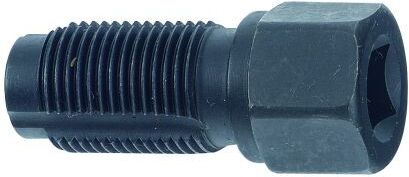
Similar search terms for Thread-Checker-Screw-Measurement
Top-Angebote
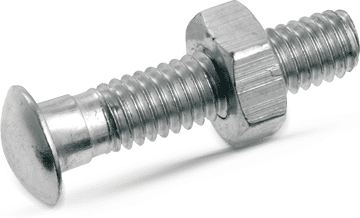
Products related to Thread-Checker-Screw-Measurement:


-
Why won't the glass screw thread come out?
The glass screw thread may not come out because it is likely glued or sealed in place to prevent it from unscrewing accidentally. Additionally, the thread may be designed to be permanent and not intended to be removed. If you are trying to remove the glass screw thread, it is important to use caution and follow the manufacturer's instructions to avoid damaging the thread or the surrounding material. **
-
What is the difference between a thread-forming and a thread-cutting screw?
A thread-forming screw creates its own threads as it is driven into the material, typically by displacing the material rather than removing it. This type of screw is often used in softer materials like plastic or aluminum. On the other hand, a thread-cutting screw has a sharp, distinct thread pattern that cuts into the material as it is driven, removing material to create the threads. Thread-cutting screws are commonly used in harder materials like metal. Overall, the main difference is in how the threads are created in the material. **
-
How to calculate the thread protrusion of a screw?
To calculate the thread protrusion of a screw, you need to measure the length of the screw from the tip to the end of the threaded portion. Then, subtract the length of the threaded portion from the total length of the screw. The result will give you the thread protrusion, which is the amount of the screw that extends beyond the material it is being screwed into. It is important to ensure that the thread protrusion is sufficient for the screw to securely fasten the materials together. **
-
What is the thread diameter of a M5 screw?
The thread diameter of a M5 screw is 5 millimeters. The "M" in M5 stands for "metric," indicating that the screw follows the metric system of measurement. Therefore, the thread diameter is measured in millimeters. This means that the outer diameter of the screw's threads is 5 millimeters. **


How was an M7 screw turned into an M6 thread?
An M7 screw can be turned into an M6 thread by using a tap and die set. First, the M7 screw needs to be clamped securely in a vise. Then, a die of the desired size (M6 in this case) is used to cut new threads on the screw. The die is carefully aligned with the existing threads on the screw and then turned in a clockwise direction to cut the new M6 threads. This process requires precision and care to ensure that the new threads are cut accurately and cleanly. **
What is the correct screw-in depth for the thread?
The correct screw-in depth for the thread is typically around 1.5 times the diameter of the screw. This allows the screw to securely hold the materials together without causing damage. It is important to avoid over-tightening the screw as it can strip the threads or cause the materials to crack. It is recommended to use a screwdriver or drill with a depth stop to ensure the correct screw-in depth is achieved. **
Top-Angebote
Products related to Thread-Checker-Screw-Measurement:
-
Everyday Crate Precision Quartz Watch Movement & Battery Tester With Daily Error Measurement Precision Quartz Watch Movement & Battery Tester With Daily Error MeasurementKeep every watch running at its best with this reliable Quartz Watch Tester designed for fast, accurate diagnostics. Whether you're a professional watchmaker, repair technician, or watch enthusiast, this compact tool helps you quickly check movement...99,97 $*Shipping: 0,00 $Secure redirect to the provider
-
How long is the screw thread?
The length of a screw thread can vary depending on the specific screw being used. However, in general, the length of a screw thread is typically equal to the length of the screw itself, excluding the head. This means that the screw thread will extend the entire length of the screw, providing the necessary grip and hold when fastening materials together. It's important to choose the right length of screw thread for the specific application to ensure a secure and effective fastening. **
-
What is this screw thread called?
This screw thread is called a Phillips screw thread. It is characterized by its cross-shaped indentation on the head of the screw, which allows for better grip and torque when using a Phillips screwdriver. This type of screw thread is commonly used in a variety of applications, from electronics to furniture assembly. **
-
Why won't the glass screw thread come out?
The glass screw thread may not come out because it is likely glued or sealed in place to prevent it from unscrewing accidentally. Additionally, the thread may be designed to be permanent and not intended to be removed. If you are trying to remove the glass screw thread, it is important to use caution and follow the manufacturer's instructions to avoid damaging the thread or the surrounding material. **
-
What is the difference between a thread-forming and a thread-cutting screw?
A thread-forming screw creates its own threads as it is driven into the material, typically by displacing the material rather than removing it. This type of screw is often used in softer materials like plastic or aluminum. On the other hand, a thread-cutting screw has a sharp, distinct thread pattern that cuts into the material as it is driven, removing material to create the threads. Thread-cutting screws are commonly used in harder materials like metal. Overall, the main difference is in how the threads are created in the material. **
Similar search terms for Thread-Checker-Screw-Measurement
-
How to calculate the thread protrusion of a screw?
To calculate the thread protrusion of a screw, you need to measure the length of the screw from the tip to the end of the threaded portion. Then, subtract the length of the threaded portion from the total length of the screw. The result will give you the thread protrusion, which is the amount of the screw that extends beyond the material it is being screwed into. It is important to ensure that the thread protrusion is sufficient for the screw to securely fasten the materials together. **
-
What is the thread diameter of a M5 screw?
The thread diameter of a M5 screw is 5 millimeters. The "M" in M5 stands for "metric," indicating that the screw follows the metric system of measurement. Therefore, the thread diameter is measured in millimeters. This means that the outer diameter of the screw's threads is 5 millimeters. **
-
How was an M7 screw turned into an M6 thread?
An M7 screw can be turned into an M6 thread by using a tap and die set. First, the M7 screw needs to be clamped securely in a vise. Then, a die of the desired size (M6 in this case) is used to cut new threads on the screw. The die is carefully aligned with the existing threads on the screw and then turned in a clockwise direction to cut the new M6 threads. This process requires precision and care to ensure that the new threads are cut accurately and cleanly. **
-
What is the correct screw-in depth for the thread?
The correct screw-in depth for the thread is typically around 1.5 times the diameter of the screw. This allows the screw to securely hold the materials together without causing damage. It is important to avoid over-tightening the screw as it can strip the threads or cause the materials to crack. It is recommended to use a screwdriver or drill with a depth stop to ensure the correct screw-in depth is achieved. **
* All prices are inclusive of VAT and, if applicable, plus shipping costs. The offer information is based on the details provided by the respective shop and is updated through automated processes. Real-time updates do not occur, so deviations can occur in individual cases. ** Note: Parts of this content were created by AI.