Buy divissimo.eu ?
We are moving the project
divissimo.eu .
Are you interested in purchasing the domain
divissimo.eu ?
domain@kv-gmbh.de · 0541-91531010
Buy divissimo.eu ?
When does an automatic transmission shift?
An automatic transmission shifts gears automatically based on the vehicle's speed, engine load, and throttle position. The transmission uses a hydraulic system and a torque converter to engage and disengage the gears without the need for manual input from the driver. The shift points are predetermined by the vehicle's programming to optimize performance, fuel efficiency, and smoothness of operation. **
Can an automatic transmission shift incorrectly?
Yes, an automatic transmission can shift incorrectly due to a variety of reasons. This can include issues with the transmission fluid, solenoids, sensors, or mechanical components. Additionally, electronic control module (ECM) or transmission control module (TCM) malfunctions can also cause incorrect shifting. It is important to address any shifting issues promptly to prevent further damage to the transmission. Regular maintenance and timely repairs can help prevent incorrect shifting in automatic transmissions. **
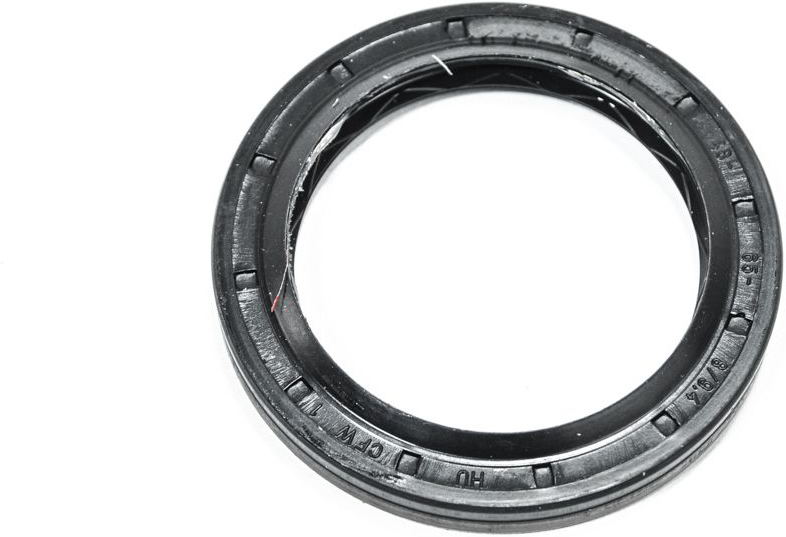

Similar search terms for Transmission-Transfer-Case-Shift
Top-Angebote
Products related to Transmission-Transfer-Case-Shift:


-
How do you shift an automatic transmission?
To shift an automatic transmission, you simply need to move the gear selector lever from one position to another. Most automatic transmissions have the following gear positions: Park (P), Reverse (R), Neutral (N), Drive (D), and sometimes additional gears like Overdrive (O) or Low (L). To shift, you typically need to press the brake pedal, move the gear selector to the desired position (such as D for Drive), and then release the brake to start moving in that gear. Some vehicles also have a manual mode where you can manually shift gears using paddle shifters or the gear selector. **
-
How does a motorcycle's claw-shift transmission with a shift drum work?
A motorcycle's claw-shift transmission with a shift drum works by using a series of gears and shift forks to change the gear ratio. The shift drum has grooves that correspond to different gears, and as the rider shifts gears, the drum rotates to engage the desired gear. The claw mechanism on the shift drum moves the shift forks, which in turn move the gears into the desired position. This allows the rider to smoothly transition between gears while riding. Overall, the claw-shift transmission with a shift drum provides a reliable and efficient way to change gears on a motorcycle. **
-
Is the transmission damaged after a bad shift?
A bad shift can potentially cause damage to the transmission, especially if it is a repeated occurrence. When gears are not engaged properly, it can cause excessive wear and tear on the transmission components. Additionally, if the shift is particularly harsh or forceful, it can lead to damage to the gears, synchronizers, or other internal parts of the transmission. It is important to address any issues with shifting promptly to prevent further damage to the transmission. **
-
"Does the automatic transmission of the W203 shift incorrectly?"
The automatic transmission of the W203 has been known to have some issues with shifting incorrectly. Some owners have reported problems with rough or delayed shifting, as well as slipping gears. These issues can be caused by various factors such as low transmission fluid, worn-out transmission components, or electronic control module malfunctions. It is important to have the transmission system inspected and serviced by a qualified mechanic to address any shifting problems. **

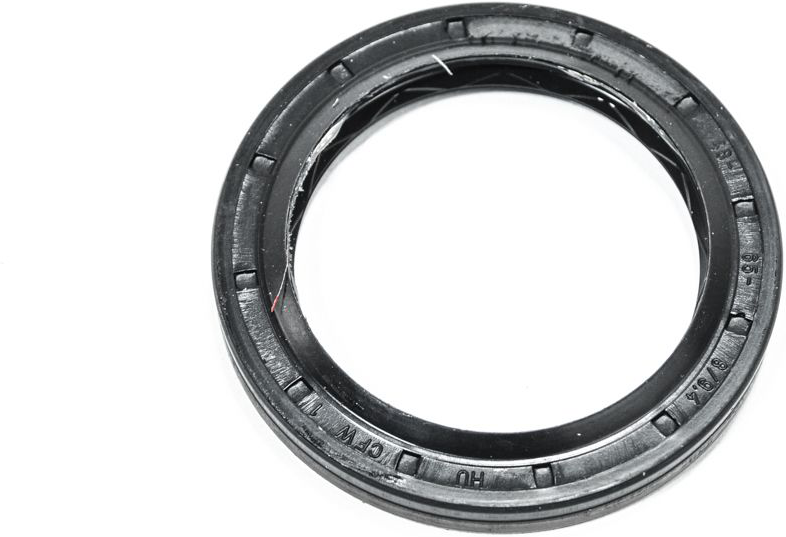
Can you shift the manual transmission into neutral while driving?
Yes, you can shift a manual transmission into neutral while driving. This can be done by pressing the clutch pedal and moving the gear shifter into the neutral position. However, it is important to note that shifting into neutral while driving will disengage the engine from the wheels, so it should be done carefully and only when necessary. It is typically used in emergency situations or when coasting to a stop. **
How do you actually shift gears with semi-automatic transmission?
With a semi-automatic transmission, you can shift gears manually using paddle shifters or a sequential shifter. To upshift, you simply pull the paddle or push the shifter forward, and to downshift, you push the paddle or pull the shifter back. Some semi-automatic transmissions also have an automatic mode where the car will shift gears for you, but you can still manually override it if needed. Overall, shifting gears with a semi-automatic transmission gives you more control over the gear changes without the need for a clutch pedal. **
Top-Angebote
Products related to Transmission-Transfer-Case-Shift:
-
When does an automatic transmission shift?
An automatic transmission shifts gears automatically based on the vehicle's speed, engine load, and throttle position. The transmission uses a hydraulic system and a torque converter to engage and disengage the gears without the need for manual input from the driver. The shift points are predetermined by the vehicle's programming to optimize performance, fuel efficiency, and smoothness of operation. **
-
Can an automatic transmission shift incorrectly?
Yes, an automatic transmission can shift incorrectly due to a variety of reasons. This can include issues with the transmission fluid, solenoids, sensors, or mechanical components. Additionally, electronic control module (ECM) or transmission control module (TCM) malfunctions can also cause incorrect shifting. It is important to address any shifting issues promptly to prevent further damage to the transmission. Regular maintenance and timely repairs can help prevent incorrect shifting in automatic transmissions. **
-
How do you shift an automatic transmission?
To shift an automatic transmission, you simply need to move the gear selector lever from one position to another. Most automatic transmissions have the following gear positions: Park (P), Reverse (R), Neutral (N), Drive (D), and sometimes additional gears like Overdrive (O) or Low (L). To shift, you typically need to press the brake pedal, move the gear selector to the desired position (such as D for Drive), and then release the brake to start moving in that gear. Some vehicles also have a manual mode where you can manually shift gears using paddle shifters or the gear selector. **
-
How does a motorcycle's claw-shift transmission with a shift drum work?
A motorcycle's claw-shift transmission with a shift drum works by using a series of gears and shift forks to change the gear ratio. The shift drum has grooves that correspond to different gears, and as the rider shifts gears, the drum rotates to engage the desired gear. The claw mechanism on the shift drum moves the shift forks, which in turn move the gears into the desired position. This allows the rider to smoothly transition between gears while riding. Overall, the claw-shift transmission with a shift drum provides a reliable and efficient way to change gears on a motorcycle. **
Similar search terms for Transmission-Transfer-Case-Shift
-
Is the transmission damaged after a bad shift?
A bad shift can potentially cause damage to the transmission, especially if it is a repeated occurrence. When gears are not engaged properly, it can cause excessive wear and tear on the transmission components. Additionally, if the shift is particularly harsh or forceful, it can lead to damage to the gears, synchronizers, or other internal parts of the transmission. It is important to address any issues with shifting promptly to prevent further damage to the transmission. **
-
"Does the automatic transmission of the W203 shift incorrectly?"
The automatic transmission of the W203 has been known to have some issues with shifting incorrectly. Some owners have reported problems with rough or delayed shifting, as well as slipping gears. These issues can be caused by various factors such as low transmission fluid, worn-out transmission components, or electronic control module malfunctions. It is important to have the transmission system inspected and serviced by a qualified mechanic to address any shifting problems. **
-
Can you shift the manual transmission into neutral while driving?
Yes, you can shift a manual transmission into neutral while driving. This can be done by pressing the clutch pedal and moving the gear shifter into the neutral position. However, it is important to note that shifting into neutral while driving will disengage the engine from the wheels, so it should be done carefully and only when necessary. It is typically used in emergency situations or when coasting to a stop. **
-
How do you actually shift gears with semi-automatic transmission?
With a semi-automatic transmission, you can shift gears manually using paddle shifters or a sequential shifter. To upshift, you simply pull the paddle or push the shifter forward, and to downshift, you push the paddle or pull the shifter back. Some semi-automatic transmissions also have an automatic mode where the car will shift gears for you, but you can still manually override it if needed. Overall, shifting gears with a semi-automatic transmission gives you more control over the gear changes without the need for a clutch pedal. **
* All prices are inclusive of VAT and, if applicable, plus shipping costs. The offer information is based on the details provided by the respective shop and is updated through automated processes. Real-time updates do not occur, so deviations can occur in individual cases. ** Note: Parts of this content were created by AI.